
Firstly, it is important to locate the trailer jack's mounting point. This is usually found at the front of the trailer, close to the hitch connection point. Ensure that the mounting point is clean and free of any debris that could affect the jack's stability.
Next, it is important to extend the support leg of the jack fully before lowering it onto the ground. This ensures that the jack can take the full weight of the trailer without collapsing. Once the support leg is fully extended, the jack can be lowered carefully onto the ground.
It is essential to ensure that the trailer is level before lowering the support leg. This can be done by using a spirit level, or by visually inspecting the position of the trailer. A level trailer ensures that the weight is distributed evenly across the support leg and prevents any unnecessary stresses on the jack.
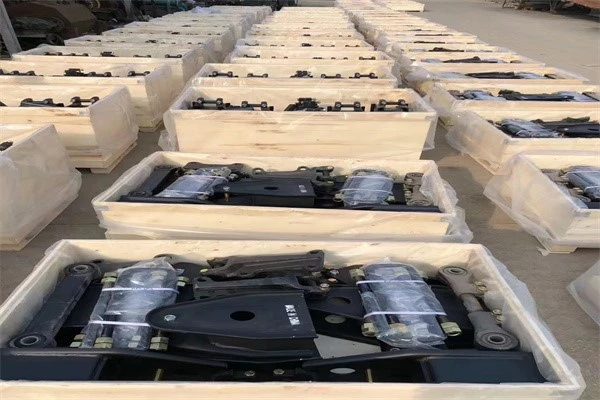
Once the support leg is in place, it is important to adjust it to the correct height. This is particularly important on uneven ground, where the trailer may need to be raised or lowered to achieve perfect stability. It is essential to ensure that the support leg is not overextended or compressed as this can affect the stability of the trailer.
Periodic maintenance of the trailer jack is also important to ensure its continued effective performance. Lubricating the mechanisms and checking the condition of the support leg for wear and tear should be conducted on a regular basis. If any issues are identified, it is important to address them promptly to prevent any accidents on the road.
In conclusion, the use of trailer jacks is an essential aspect of ensuring safe and effective towing. By following these simple steps, you can achieve the required level of stability for your trailer and maintain the safe operation of your vehicle on the road. Regular maintenance of the jack is vital to ensure its continued reliability and effectiveness.
Firstly, it is important to locate the trailer jack's mounting point. This is usually found at the front of the trailer, close to the hitch connection point. Ensure that the mounting point is clean and free of any debris that could affect the jack's stability.
Next, it is important to extend the support leg of the jack fully before lowering it onto the ground. This ensures that the jack can take the full weight of the trailer without collapsing. Once the support leg is fully extended, the jack can be lowered carefully onto the ground.
It is essential to ensure that the trailer is level before lowering the support leg. This can be done by using a spirit level, or by visually inspecting the position of the trailer. A level trailer ensures that the weight is distributed evenly across the support leg and prevents any unnecessary stresses on the jack.
Once the support leg is in place, it is important to adjust it to the correct height. This is particularly important on uneven ground, where the trailer may need to be raised or lowered to achieve perfect stability. It is essential to ensure that the support leg is not overextended or compressed as this can affect the stability of the trailer.
Periodic maintenance of the trailer jack is also important to ensure its continued effective performance. Lubricating the mechanisms and checking the condition of the support leg for wear and tear should be conducted on a regular basis. If any issues are identified, it is important to address them promptly to prevent any accidents on the road.
In conclusion, the use of trailer jacks is an essential aspect of ensuring safe and effective towing. By following these simple steps, you can achieve the required level of stability for your trailer and maintain the safe operation of your vehicle on the road. Regular maintenance of the jack is vital to ensure its continued reliability and effectiveness.


