
Latest Products


Contact Us
- East Zheng Gaicun Road, Liangshan Sub-District Office, Liangshan County, Jining City, Shandong Province
- dayouren666@gmail.com
- +86-537-7339799

Mechanical Suspension
A mechanical suspension is a system that uses springs, shock absorbers, and other mechanical components to support the weight of a vehicle and isolate it from road disturbances. The main function of a mechanical suspension is to provide a smooth and comfortable ride by reducing the transmission of road shocks and vibrations to the vehicle's body and occupants.
Description
Liangshan Dayou Machinery Manufacturing Co., Ltd. is one of the major domestic enterprises specializing in the production of trailers and semi-trailer accessories. It is located in the world-famous Shuibo Liangshan, which is the production base of trailers (special vehicles) in China-Beijing-Kowloon Railway. The 220 National Road runs through the entire territory. The traffic is developed and the transportation is convenient.
Why Choose Us
Advanced Equipment
Our company is a professional enterprise integrating R&D, design, manufacturing and sales based on industry advantages. It has advanced production equipment and processing technology, and strong mechanical processing capabilities.
Professional Team
The company adheres to the concept of "efficiency is life, quality is fundamental", and various businesses have shown a trend of prosperity, and the development has become more mature and stable. On the basis of consolidating the domestic market, many products have successfully entered the international market, and have successfully entered the international market.
Rich Experience
Many well-known companies have established good diversification, grade and branding, strictly control quality, strive to improve the technical content of products, consolidate the advantages and market leadership that have been obtained, and continuously improve the core competitiveness of the company to promote the sustainability of the company Sexual development and market competitiveness.
24H Online Service
If you have difficulties when using the product, we will respond to your needs as soon as possible and give you the greatest support.
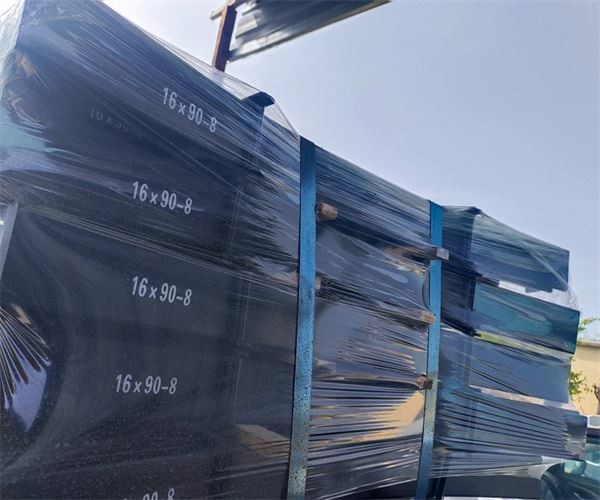
A trailer axle is the part of the trailer that supports the weight of the load while it is being towed.

Used For Bracket In Suspension
The suspension bracket is an integral part of the vehicle suspension system. It is designed to provide a stable support structure for various components of the suspension system.

Front suspension is an integral part of any vehicle that determines its handling, comfort, and stability.
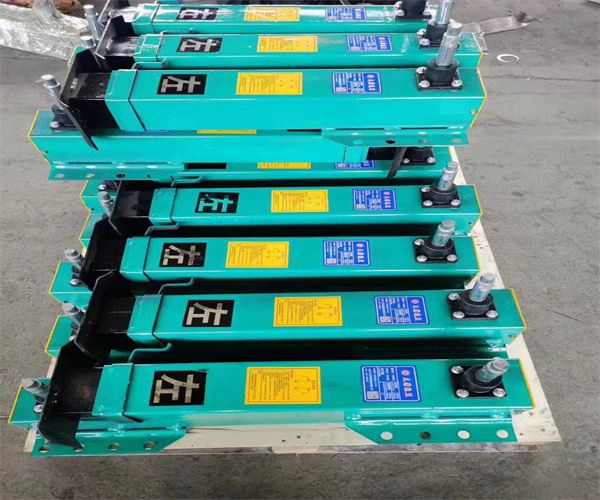
Hydraulic stiff legs are an important component of offshore platforms and other marine structures.


Hydraulic support legs are an essential component in the stabilization and support of heavy machinery and equipment.

Trailer legs, also known as stabilizer jacks or landing gear, are an essential component when it comes to trailering heavy goods.

Trailer power divider and hydraulic support legs are essential components for safe and efficient hauling.

Stabil Mate Hydraulic Caravan Legs
Hydraulic legs for workbenches are an essential tool for many industrial applications.
What is Mechanical Suspension?
A mechanical suspension is a system that uses springs, shock absorbers, and other mechanical components to support the weight of a vehicle and isolate it from road disturbances. The main function of a mechanical suspension is to provide a smooth and comfortable ride by reducing the transmission of road shocks and vibrations to the vehicle's body and occupants.
Each type has its own unique characteristics and benefits, and is suitable for different types of vehicles and applications.
Mechanical suspension systems are an important component of any vehicle, as they play a critical role in the comfort, handling, and stability of the vehicle.
Benefits of Mechanical Suspension
Enhanced Stability and Control
One of the primary advantages of mechanical suspension systems is their ability to enhance stability and control while driving. By effectively absorbing shocks and vibrations from the road surface, these systems ensure a smoother ride and minimize the impact of bumps and potholes on the vehicle.
Optimized Performance
Mechanical suspension systems are designed to optimize vehicle performance by ensuring maximum contact between the tires and the road surface. This enhances traction and grip, especially during cornering and braking, leading to improved acceleration, braking, and overall driving dynamics.
Enhanced Durability and Longevity
Another key benefit of mechanical suspension systems is their durability and longevity. Unlike traditional suspension systems, which may require frequent maintenance and replacement of components, mechanical suspensions are built to withstand the rigors of daily driving and offer long-lasting performance.
Increased Safety and Stability
Safety is paramount in the automotive industry, and mechanical suspension systems play a crucial role in enhancing vehicle safety and stability. By minimizing body roll, reducing the risk of rollovers, and improving overall handling, these systems help prevent accidents and keep drivers and passengers safe on the road.
Type of Mechanical Suspension
Leaf Spring Suspension
Leaf spring suspension systems consist of several layers of steel strips stacked on top of each other to form a flexible and durable spring. This type of suspension is commonly found in trucks and heavy-duty vehicles due to its ability to carry heavy loads and withstand rough terrain.
Coil Spring Suspension
Coil spring suspension systems use cylindrical springs made of steel or composite materials to absorb shock and maintain ride height. This type of suspension provides a smoother and more comfortable ride compared to leaf spring suspensions, making it popular in passenger cars and sports vehicles.
Torsion Bar Suspension
Torsion bar suspension systems use a twisted metal bar to provide spring-like support and dampening for the vehicle. This type of suspension is known for its simplicity and cost-effectiveness, making it a popular choice for budget-friendly vehicles and off-road applications.
Independent Suspension
Independent suspension systems allow each wheel to move independently of the others, providing superior ride comfort and handling performance. This type of suspension is commonly found in high-performance vehicles and luxury cars due to its ability to adapt to varying road conditions and driving styles.
Application of Mechanical Suspension
Medium Obligation Trucks
In medium obligation trucks, such as conveyance vans and utility vehicles, mechanical suspension seats offer assistance decrease driver weakness and move forward by and large consolation amid long hours of operation. The movable padding and stun assimilation capabilities guarantee a smoother ride, driving to expanded driver fulfillment and efficiency.
Development Trucks
Development trucks work in requesting situations with uneven landscape and consistent vibrations. Mechanical suspension seats play a basic part in giving drivers with a comfortable and steady seating stage, permitting them to center on their assignments without being diverted by distress or weakness. Moreover, the stun assimilation capabilities of these seats offer assistance ensure drivers from wounds caused by drawn out introduction to harsh conditions.
Material Dealing With Trucks
Fabric taking care of trucks, counting forklifts and stockroom vehicles, require exact control and maneuverability. Mechanical suspension seats upgrade administrator consolation and steadiness, coming about in moved forward precision and proficiency amid fabric dealing with operations. The movable highlights of these seats guarantee that administrators of diverse sizes can discover the ideal seating position for greatest consolation and control.
Components of Mechanical Suspension
Springs
Springs are the backbone of your suspension system. They absorb shocks and bumps, maintaining tire contact with the road. Coil springs and leaf springs are common types used in vehicles.
Shock Absorbers (Dampers)
Shock absorbers, often simply called shocks, work in tandem with springs to control the rebound and oscillation of the springs. They ensure your ride remains smooth and stable by dissipating kinetic energy.
Struts
Struts are a structural part of the suspension system and serve multiple functions. They provide support to the vehicle's weight, house the spring and shock absorber, and help maintain wheel alignment.
Control Arms
Control arms connect the wheels to the frame or body of the vehicle. They enable the wheels to move up and down while controlling their lateral movement.
Sway Bar (Stabilizer Bar)
Sway bars reduce body roll during cornering. They connect the suspension components on each side of the vehicle, distributing force and enhancing stability.
Bushings
Bushings are small but critical components that dampen vibrations and reduce noise. They are found in various parts of the suspension system, including control arms and sway bars.
Ball Joints
Ball joints allow the suspension components to pivot and move. They connect the control arms to the steering knuckles and are essential for steering and control.
Tie Rods
Tie rods connect the steering system to the wheels. They play a crucial role in steering responsiveness and maintaining wheel alignment.
Taking proper care of your mechanical suspension and its vital components will help ensure the best possible handling performance for your vehicle. It will also extend the lifespan of your suspension and other affected equipment.
Check Your Wheel Alignment
Having proper wheel alignment is crucial to your vehicle's handling while also protecting your suspension, brakes, wheels, tires, etc. Get your wheel alignment checked regularly and get your wheels realigned as needed.
Maintain Proper Tire Pressure
Tires that are a little underinflated or overinflated may seem like no big deal. However, it's always a good idea to maintain the recommended tire pressure across all four tires. Your suspension shocks/struts/springs will benefit from proper air pressure in your tires.
Check Your Tire Treads
Your tire treads can actually tell you a lot about the health of your vehicle's drivetrain system and other important issues like brake, wheel alignment and mechanical suspension health. If the tire treads are getting too low or they are wearing out very unevenly, you'll want to address the problem(s). You may be due for new tires and/or a wheel realignment, or you may have some suspension or brake system damage to resolve.
Check the Power Steering Fluid and Belt
If your vehicle has a hydraulic power steering system, the power steering fluid and belt should be checked regularly by a professional mechanic. The fluid may need to be topped off or replaced, or the belt might need tightening. A healthy power steering system will help extend the lifespan of your mechanical suspension and its sensitive components.
Mechanical suspension Inspection
Whether you are noticing some handling issues (bumpy ride, loose cornering, pulling to one side, etc.) or you haven't had your mechanical suspension looked at in awhile, you should have your suspension inspected by an auto repair specialist. A professional automotive technician can look over all the components and recommend the necessary repairs or adjustments to keep everything working right. If you have been in any sort of accident, it should always be a top priority to get your suspension checked for damage.
How Car Mechanical Suspension Work
The suspension system is located between the frame and the wheels and serves multiple important purposes. Ideally, well-tuned suspension will absorb bumps and other imperfections in the road so the people inside the car can travel comfortably. While this is very important from a passenger's perspective, the driver will notice certain other attributes of the suspension system. This system also is responsible for keeping the wheels on the ground as much as possible.
The wheels are extremely important for performance and vehicle safety. The wheels are the only part of a car that touches the road. This means they have to put power to the ground and steer simultaneously while also being responsible for stopping the vehicle. Without a system to absorb the bumps and potholes present in roads, the vehicle would shake and wobble over rough surface and make the vehicle essentially unusable from lack of traction. While the suspension system is a great solution for bumpy roads, it does add in a lot of complexity when you consider that the wheels now are responsible for all of their standard duties and now have to travel up and down to absorb shock from bumps while making the vehicle handle like it isn't on springs and being tossed about with every turn.
FAQ
Hot Tags: mechanical suspension, China, suppliers, manufacturers, factory, wholesale, price, for sale, Semi Trailer Cantilever Suspension, American Type Axle, Semi Trailer Axle, Trailer Axle with Disc Brake, Shock Absorber, Leaf Spring
You Might Also Like


