
Latest Products


Contact Us
- East Zheng Gaicun Road, Liangshan Sub-District Office, Liangshan County, Jining City, Shandong Province
- dayouren666@gmail.com
- +86-537-7339799
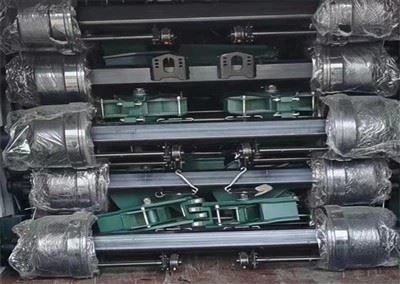
Trailer Axle
In the most basic terms, the axle is a shaft that transfers the trailer weight and drive to the wheels. This simple-sounding shaft, though, may be the most complex part of the trailer. Loads that are too heavy or are not balanced correctly in relation to the shaft and wheels can cause the trailer to drift from side to side or become unstable. Axles are rated by a load capacity that specifies the amount of weight that they can support. Trailers with multiple axles can carry the sum of all these load capacities, as long as the tires and towing vehicle are also rated for the total weight. The actual amount of weight that a trailer can safely carry is the smallest load capacity rating for any part.
Description
Liangshan Dayou Machinery Manufacturing Co., Ltd. is one of the major domestic enterprises specializing in the production of trailers and semi-trailer accessories. It is located in the world-famous Shuibo Liangshan, which is the production base of trailers (special vehicles) in China-Beijing-Kowloon Railway. The 220 National Road runs through the entire territory. The traffic is developed and the transportation is convenient.
Why Choose Us
Advanced Equipment
Our company is a professional enterprise integrating R&D, design, manufacturing and sales based on industry advantages. It has advanced production equipment and processing technology, and strong mechanical processing capabilities.
Professional Team
The company adheres to the concept of "efficiency is life, quality is fundamental", and various businesses have shown a trend of prosperity, and the development has become more mature and stable. On the basis of consolidating the domestic market, many products have successfully entered the international market, and have successfully entered the international market.
Rich Experience
Many well-known companies have established good diversification, grade and branding, strictly control quality, strive to improve the technical content of products, consolidate the advantages and market leadership that have been obtained, and continuously improve the core competitiveness of the company to promote the sustainability of the company Sexual development and market competitiveness.
24H Online Service
If you have difficulties when using the product, we will respond to your needs as soon as possible and give you the greatest support.
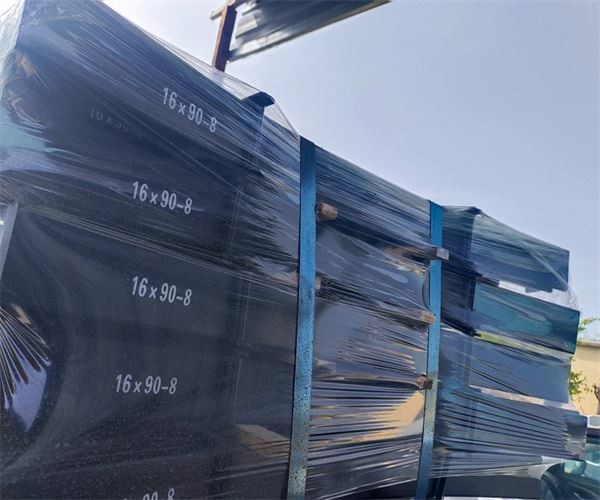
A trailer axle is the part of the trailer that supports the weight of the load while it is being towed.
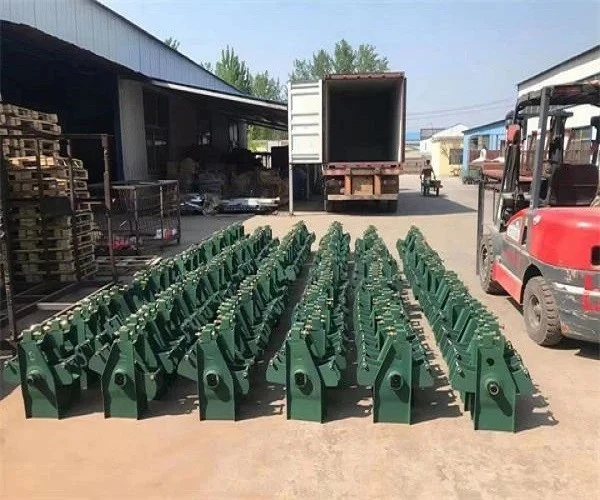
Used For Bracket In Suspension
The suspension bracket is an integral part of the vehicle suspension system. It is designed to provide a stable support structure for various components of the suspension system.
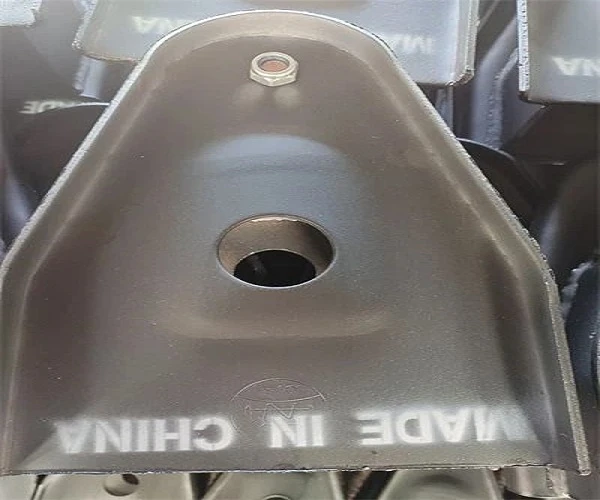
Front suspension is an integral part of any vehicle that determines its handling, comfort, and stability.
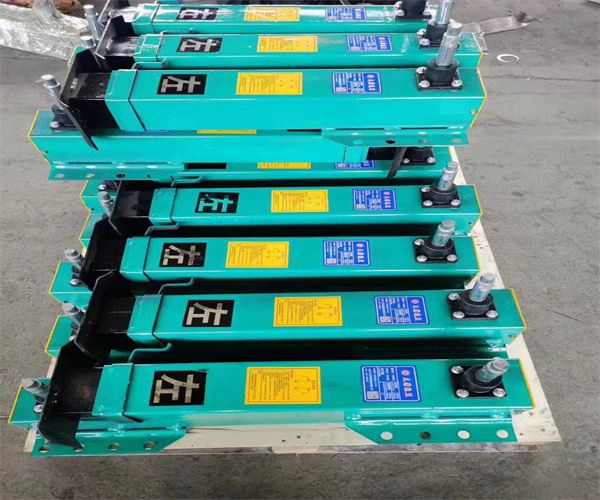
Hydraulic stiff legs are an important component of offshore platforms and other marine structures.
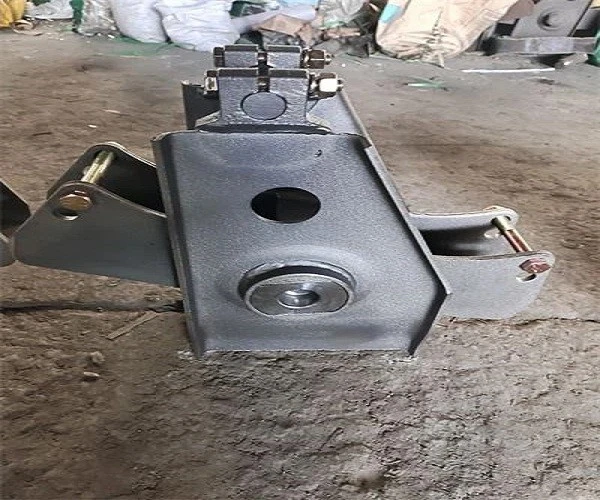
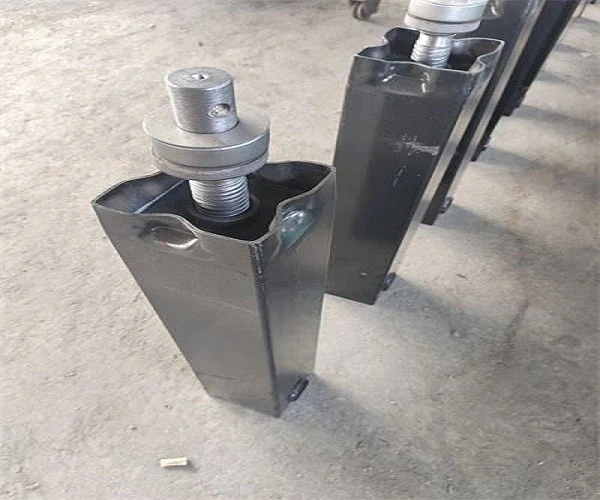
Hydraulic support legs are an essential component in the stabilization and support of heavy machinery and equipment.

Trailer legs, also known as stabilizer jacks or landing gear, are an essential component when it comes to trailering heavy goods.
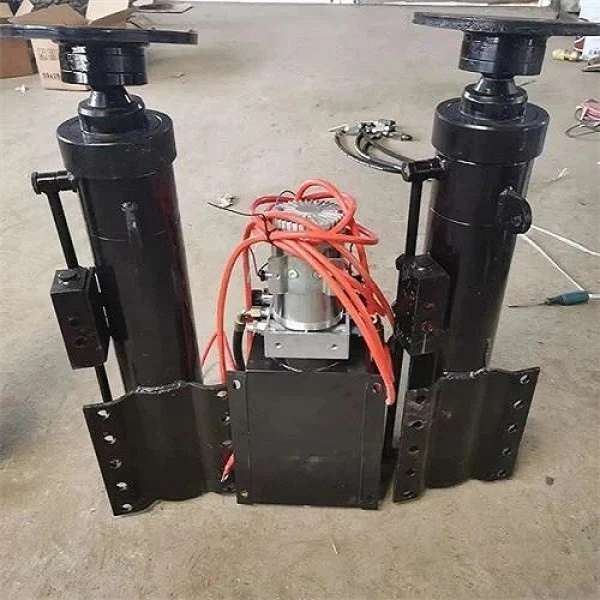
Trailer power divider and hydraulic support legs are essential components for safe and efficient hauling.
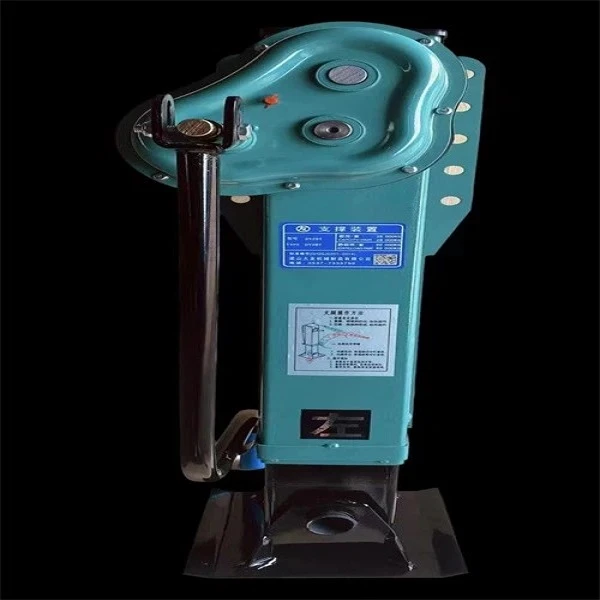
Stabil Mate Hydraulic Caravan Legs
Hydraulic legs for workbenches are an essential tool for many industrial applications.
What is Trailer Axle?
In the most basic terms, the axle is a shaft that transfers the trailer weight and drive to the wheels. This simple-sounding shaft, though, may be the most complex part of the trailer. Loads that are too heavy or are not balanced correctly in relation to the shaft and wheels can cause the trailer to drift from side to side or become unstable.
Axles are rated by a load capacity that specifies the amount of weight that they can support. Trailers with multiple axles can carry the sum of all these load capacities, as long as the tires and towing vehicle are also rated for the total weight. The actual amount of weight that a trailer can safely carry is the smallest load capacity rating for any part.
Benefits of Trailer Axle
Smoother ride
Having an extra set of tires underneath the trailer can make a big difference in how smooth a trailer rides, especially on unpaved roads. This helps to better stabilize freight and keep it from shifting or, in the case of transporting heavy equipment, falling off the trailer entirely.
Fuel economy
When not in use, the extra axles can be raised out of position, thus reducing the drag the trailer has on the road. With less drag, less horsepower is required to move the trailer down the road, and less fuel needs to be used to make up the difference. Truck drivers who pay for their own fuel can already appreciate the savings at the pump a lift axle can give them.
Less wear and tear on trailer
Reducing wear and tear with lift axles works in two different ways. Under a heavy load, the weight is distributed throughout the system and relieves a lot of the pressure on the tires, axles, wheels, and suspension overall. When not in use, the axle can be raised, and that tread isn't making contact with the road any longer, reducing wear on tires as well as the stress on the motor hauling everything.
Easier on the roads
Again, having the lift axle lowered and assisting the other wheels reduces the impact on the road, which could be very bad under heavy weight. Without the added weight, the axle is lifted out of position, and less surface area comes into contact with the road, saving the asphalt from additional friction.
Spring Axles
Spring axles are considered the most common type of axle used in trailers. They are known for their robustness and versatility, making them ideal for most types of trailers. Spring axles consist of an axle tube and a spring suspension system. The springs absorb the vibrations and shocks that come from the road, providing a smoother ride for the driver. They are relatively less expensive and require low maintenance. Spring axles are ideal for light to medium-duty trailers.
Torsion Axles
Torsion axles work differently from spring axles. They use rubber cords that absorb vibrations and shock from the road. The rubber cords act as a spring and support the weight of the trailer. The result is a less bumpy driving experience that is ideal for heavier trailers. Torsion axles are more expensive than spring axles and require periodic maintenance. However, their smooth and consistent ride makes them a popular choice for luxury RVs and high-end trailers.
Drop Axles
Drop axles are a popular choice for trailers that need extra ground clearance such as custom off-road trailers. They have a unique design where the spindle is attached underneath the axle, lowering the center of gravity and providing more clearance. Drop axles can support heavier loads due to the increased clearance and are well suited for off-road terrains. The downside, however, is that they can be expensive to install and maintain.
Straight Axles
Straight axles, also known as solid axles, are a common feature in heavy-duty trailers such as car haulers, utility trailers, and equipment trailers. They consist of a straight bar with two hubs at either end to support the weight of the trailer. Straight axles are cost-effective and require relatively low maintenance. However, they can be noisy and produce a bumpy driving experience.
Independent Suspension Axles
Independent suspension axles provide superior ride quality and handling. They are known for their ability to absorb shock and maintain stability during sharp turns and uneven terrain. Independent suspension axles are a popular choice for luxury travel trailers, horse trailers, and boat trailers. Although they are the most expensive type of axle, they offer unmatched performance and durability.
How To Measure A Trailer Axle
Hub Face Measurement
The hub face measurement (also referred to as the axle track) is one of the most important measurements you'll need to find when replacing your axle. The hub face (where your axle contacts the wheel and tire) is measured from the outer edge of one hub face to the outer edge of the opposite hub face.
Spring Center Measurement
- The spring center measurement might be the most important to get right. You want to make sure your new axle's springs are located in the same place as the old ones so they don't obstruct the wheels, tires, or other components on your trailer.
- While holding your tape measure in the center of your spring, measure to the center of the opposite spring. (You'll use the same method regardless of whether your trailer's springs are mounted above or below the axle.)
- Tip: If you don't have a friend nearby to hold the end of the tape measure, you can still get this measurement solo. By hooking your tape measure on the outside edge of one spring, you can then measure to the inside edge of the other spring. This measurement will be identical to a center-to-center measurement.
End-to-End Spindle Measurement
With both wheels removed, hook your tape measure on the end of one spindle and run it to the end of the opposite spindle. Then, make sure the new axle you're shopping for has the same end-to-end measurement. This isn't as accurate as measuring for the hub face and spring center, but it can help narrow down your options or double-check that you're selecting the right axle.
Axle Tube Diameter
When in doubt, you can always double check your axle tube diameter.
Generally speaking, axles of certain capacities have axle tubes of specific diameters. Make sure your new axle has the same tube diameter as your old one.
How to Choose the Right Trailer Axle for Your Application
Choosing the right trailer axle for your application is an important decision that can have a significant impact on the performance and safety of your trailer. The right axle will ensure that your trailer is able to handle the load it is intended to carry, and will also ensure that your trailer is able to perform as expected.
Determine the Load Capacity
The first step in choosing the right trailer axle is to determine the load capacity of your trailer. This will help you determine the type of axle that is best suited for your application. You should also consider the weight of the trailer itself, as well as any additional items that may be loaded onto the trailer.
Consider the Axle Type
There are several types of trailer axles available, including single-axle, tandem-axle, and triple-axle. Each type of axle has its own advantages and disadvantages, so it is important to consider the type of axle that is best suited for your application.
Consider the Suspension System
The suspension system of your trailer is an important factor to consider when choosing the right trailer axle. Different types of suspension systems can provide different levels of performance and stability, so it is important to choose the right suspension system for your application.
Consider the Braking System
The braking system of your trailer is also an important factor to consider when choosing the right trailer axle. Different types of braking systems can provide different levels of performance and safety, so it is important to choose the right braking system for your application.
Manufacturing Methods Trailer Axles
Hot Forging: Hot forging is a common method in trailer axle manufacturing. This process involves heating the steel to a malleable temperature and then shaping it using dies. The result is a solid and robust axle structure. Hot forging enhances the axle's load-bearing capabilities and ensures uniformity in material properties.
Cold Forming: Cold forming, or cold rolling, is another technique, particularly with steel. This process involves deforming the metal at room temperature, creating a strong and shaped axle. Cold-formed axles are known for their high dimensional accuracy and smooth surface finish.
Standards and Regulations: Stringent adherence to industry standards and regulations ensures trailer axles' safety and reliability. Organizations like the Society of SAE and NATM establish guidelines for axle design, material specifications, and performance standards.
Design Standards: Axle design adheres to specific standards outlined by the SAE. Commonly employed standards include SAE 1541, SAE 1050, SAE 1055, and SAE 1039.
Load Capacity Standards: Load capacity is an important aspect subject to standards. Axles are designed and manufactured to meet the requirements, and the manufacturer must specify the load rating.
Material Quality: Standards also dictate the quality of materials used in axle construction. Whether steel or aluminum, the alloys must meet specific strength and durability criteria.
Testing Procedures: Axles undergo rigorous testing procedures to verify their compliance with industry standards. This includes assessments of fatigue resistance, impact strength, and overall structural integrity.
Check the wheel bearings regularly. Wheel bearings should be checked at least once a year, or more often if the trailer is used frequently. Check for any signs of wear or damage, such as excessive play in the bearings, or any signs of overheating.
Inspect the axle for any signs of damage. Look for any signs of rust, corrosion, or other damage that could affect the performance of the axle.
Grease the axle regularly. Greasing the axle regularly will help to keep it in good condition and reduce wear and tear.
Check the brakes regularly. Make sure the brakes are in good working order and that all the components are in good condition.
Check the tires regularly. Make sure the tires are properly inflated and that there is no visible damage to the tread or sidewalls.
Check the suspension system. Make sure the suspension system is in good condition and that all the components are in good working order.
Check the wheel alignment. Make sure the wheels are properly aligned and that the trailer is tracking straight.
FAQ
Hot Tags: trailer axle, China, suppliers, manufacturers, factory, wholesale, price, for sale, American Type Equalizer Beam, Air Bag Suspension, Cast Suspension, American Type Rear Hanger, American Type Middle Hanger Assembly, Semi Trailer Cantilever Suspension
You Might Also Like


